
Transformative Leadership: Key Traits and How to Develop Them
LL
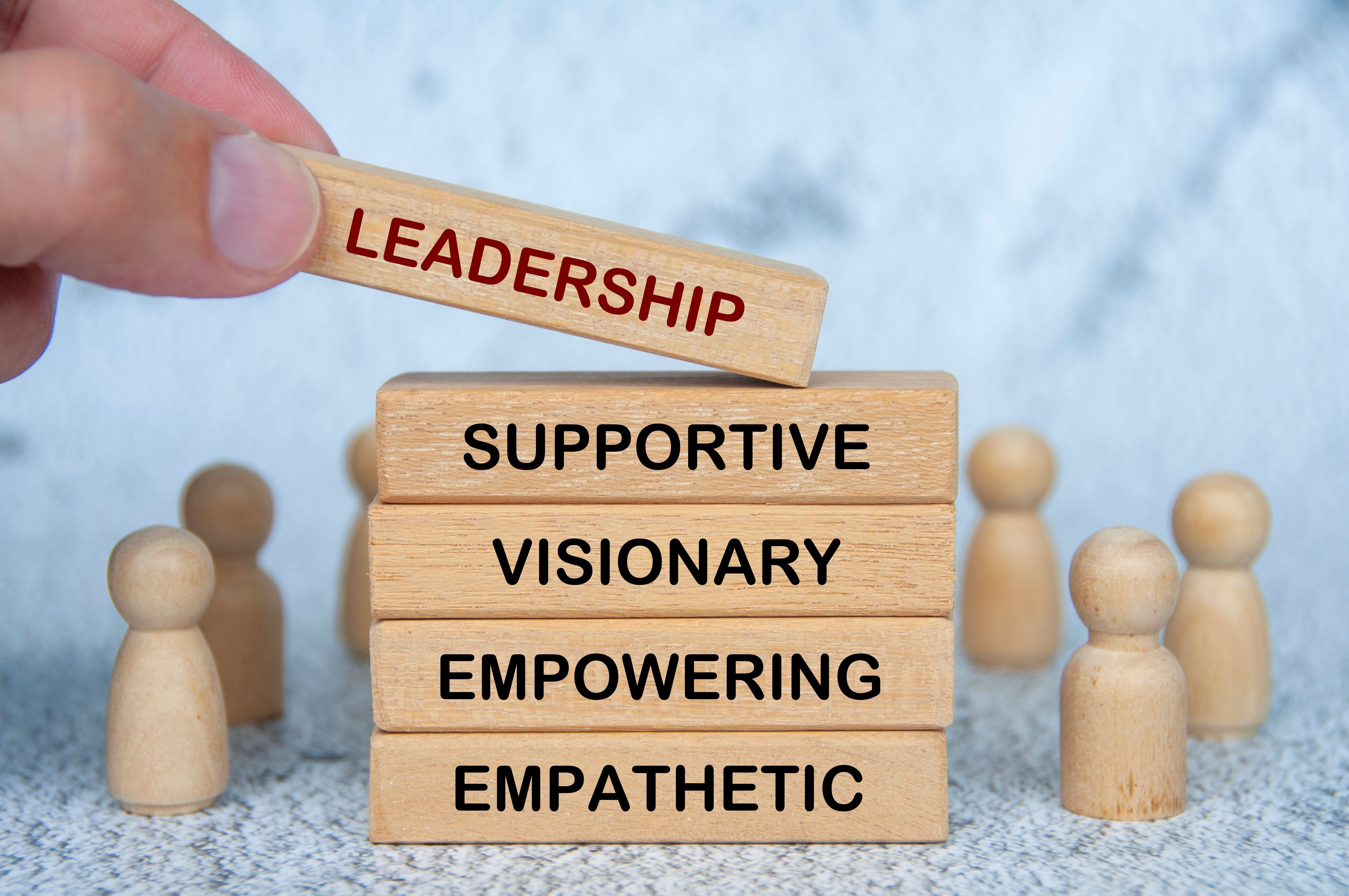
Transformative leadership is a dynamic and influential approach that encourages innovation, inspires growth, and catalyzes change within an organization. It is characterized by a leader's ability to motivate and engage their team, creating a shared vision that fosters a collaborative environment.

Key Traits of Transformative Leaders
Visionary Thinking
Transformative leaders are visionaries who can see beyond the immediate challenges and imagine a future filled with possibilities. They inspire others by articulating a clear and compelling vision that aligns with the organization's goals.
Empathy and Emotional Intelligence
Empathy is a crucial trait for transformative leaders. By understanding and relating to the emotions and perspectives of their team, they build trust and foster a supportive workplace culture. Emotional intelligence allows leaders to manage their emotions and respond thoughtfully to the needs of others.
Adaptability
In a rapidly changing world, adaptability is essential. Transformative leaders are flexible and open-minded, willing to embrace new ideas and change strategies when necessary. This adaptability enables them to lead their team through transitions smoothly.
How to Develop Transformative Leadership Traits
Continuous Learning
Transformative leaders are lifelong learners. They actively seek opportunities to expand their knowledge and skills, whether through formal education, workshops, or self-directed learning. Staying informed about industry trends and innovations can enhance their leadership capabilities.

Effective Communication
Developing strong communication skills is vital for transformative leadership. This involves not only conveying ideas clearly but also actively listening to others. Engaging in open dialogue and providing constructive feedback helps build a cohesive team.
Encouraging Collaboration
Fostering a collaborative environment is a hallmark of transformative leadership. Encouraging teamwork and valuing diverse perspectives can lead to innovative solutions and a sense of shared purpose. Leaders can facilitate collaboration by creating opportunities for team members to work together and by recognizing their contributions.
- Set clear goals and expectations.
- Promote an inclusive culture.
- Celebrate team successes.
In conclusion, transformative leadership is about inspiring and empowering others to achieve a common vision. By developing key traits such as visionary thinking, empathy, and adaptability, leaders can drive meaningful change within their organizations and beyond.